turbonn is building an AI framework that combines generative models and agentic systems with engineering data and tools — streamlining how engineers design, analyze, and optimize complex physical systems.
turbonn brings deep domain knowledge in the power generation and HVAC industries, powered by advanced artificial intelligence.
Engineering workflows are complex, fragmented, and slow.
Real-world engineering — thermal systems, turbomachinery, power generation, manufacturing — depends on dense domain knowledge, specialized tools, and decades of accumulated data. Decisions are stitched together across simulations, spreadsheets, sensor feeds, standards, and expert judgment.
General-purpose AI alone can't solve this. Progress requires AI that understands the physics, respects the constraints, and plugs directly into the tools engineers already use.
Generative AI and agents, grounded in engineering reality.
Large models that can read specifications, interpret diagrams, draft analyses, and explain their reasoning in engineering terms.
Autonomous agents that plan, call the right tools, run simulations, verify results, and iterate — the way a skilled engineer would.
Deep integration with the simulations, sensor streams, codes, and standards that engineering work actually depends on.
Develop and deploy engineering AI in infrastructure industries.
Cooling, heat transfer, and airflow optimization across data centers, electronics, and industrial systems.
Design, performance analysis, and monitoring for turbines, compressors, and pumps.
Plant operations, efficiency, and predictive analytics across conventional and renewable generation.
Heating, ventilation, and cooling system design, sizing, and optimization for commercial and industrial facilities.
Data center cooling intelligence.
An early application of the turbonn framework: an AI-driven workflow for analyzing and optimizing cooling performance in data center environments — from operational telemetry to actionable insight. Live walkthroughs available on request.
Unified interface for searching and retrieving engineering data across vector and structured sources.
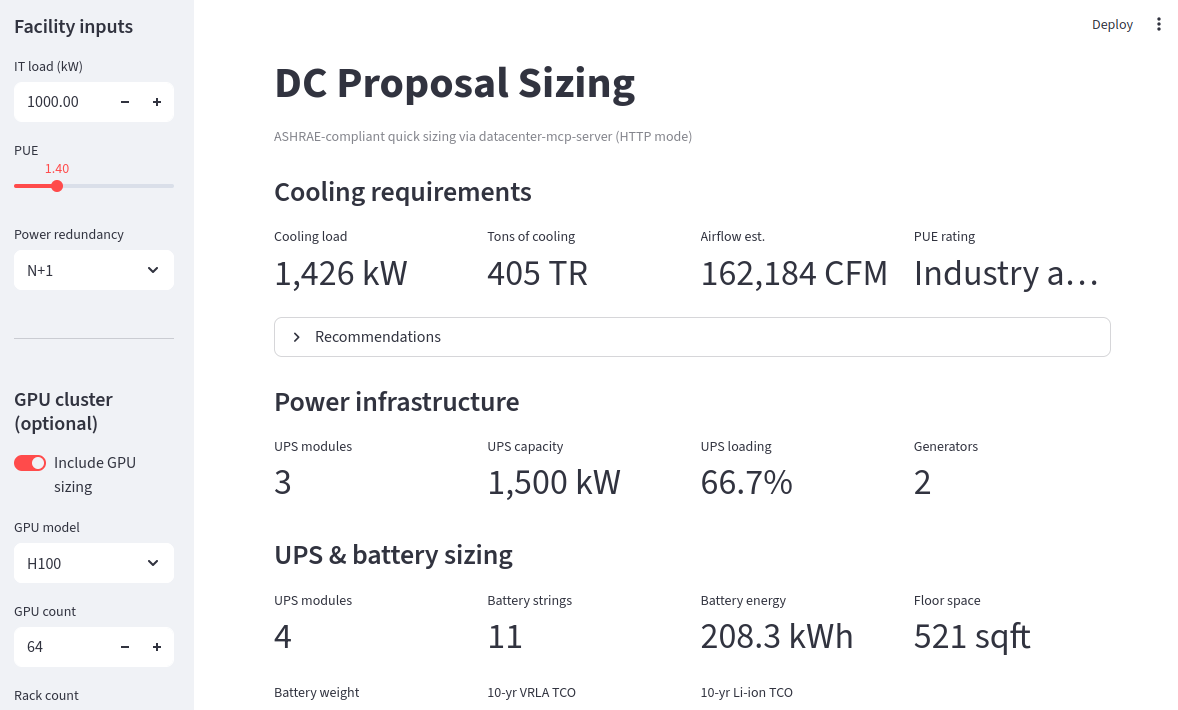
Automated sizing analysis for cooling, power, and battery infrastructure from facility inputs.
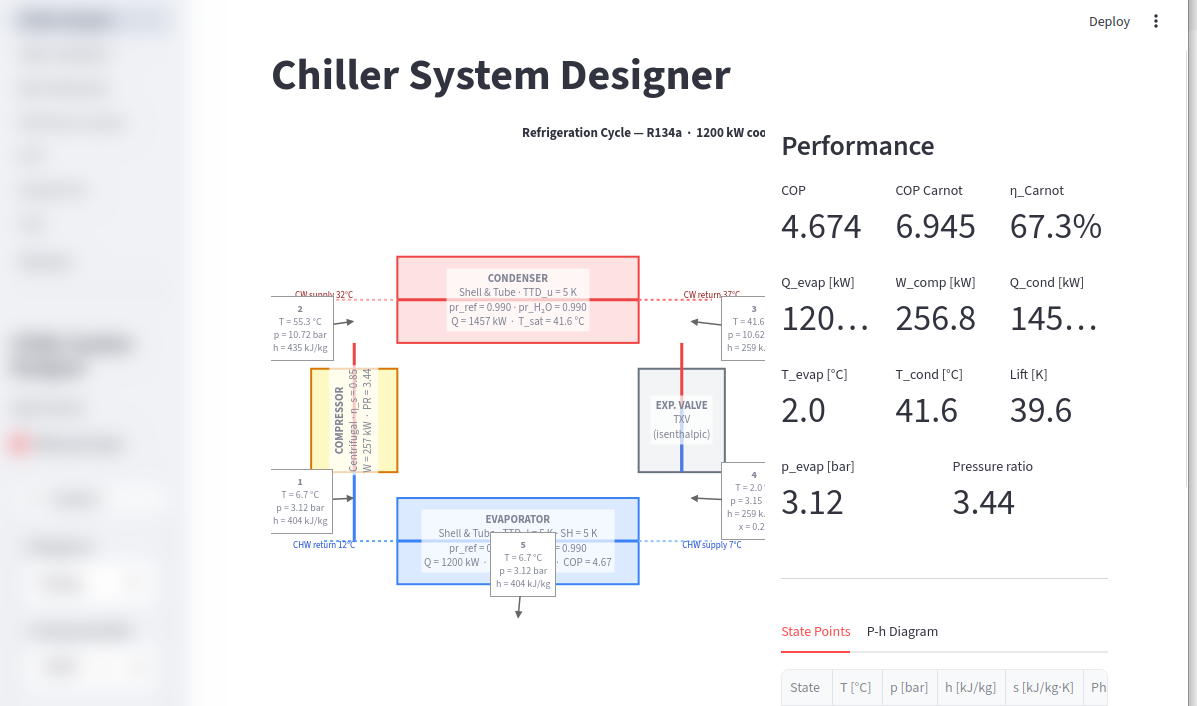
Interactive chiller system design with real-time performance metrics and schematic analysis.
Interested in the framework, a demo, or a conversation?
We're selective about conversations and protective of our methods. Reach out and let us know what you're working on.